Introduction
Paving installment is an essential element of both residential and industrial landscape design in the Bay Area. Whether you're wanting to improve your driveway, patio, or pathway, recognizing the intricacies associated with paving can make all the distinction in between a successful task and a pricey error. This guide intends to supply a detailed overview of the paving installment process, especially concentrating on interlocking pavers. With the appropriate paving stones near me contractors understanding and technique, you can guarantee that your paving task stands the test of time.
A Step-by-Step Overview to Effective Leading Installation in the Bay Area
Understanding Paving Installation
Before diving right into the specifics of paving installation, it's vital to comprehend what it requires. Paving installation describes putting down materials such as rocks, concrete slabs, or blocks to create long lasting surfaces for courses, driveways, patios, and much more. In the Bay Area particularly, where weather conditions can differ significantly, selecting the best materials and paving stone installation near me methods can greatly influence long life and aesthetics.
Why Choose Interlocking Pavers?
Interlocking pavers have actually gotten immense popularity as a result of their versatility and strength. Unlike typical concrete or asphalt surfaces, interlacing pavers allow for far better water drainage and can fit mild changes in ground motion. They can be found in various shapes and colors, enabling property owners to personalize their areas creatively.
Selecting the Right Paver Installer
Choosing a qualified paver installer is one of the most important action in making certain an effective paving job. Try to find specialists with experience specific to interlacing pavers and favorable customer reviews. Confirm their credentials and request examples of previous work.
Planning Your Job: Initial Considerations
Before beginning your paving task, think about these variables:
Purpose: Is this a driveway, outdoor patio, or walkway? Design: What style or look do you want? Budget: Just how much are you ready to spend? Permits: Exist any kind of local guidelines you require to follow?Choosing Materials
The type of products you choose will significantly impact both longevity and look. Alternatives consist of:
- Concrete Pavers: Affordable however less customizable. Clay Bricks: Traditional look yet may be extra expensive. Natural Stone: Luxurious look yet calls for greater maintenance.
Each material has its advantages and disadvantages; understanding them will help you make an informed choice.
Preparing Your Site
Proper website prep work is vital for any kind of paving setup job:
Clear the Area: Eliminate existing greenery or debris. Excavation: Dig a minimum of 6-8 inches relying on your setup needs. Grading: Make sure correct water drainage by sloping away from buildings. Base Layer Installation: Use squashed rock or crushed rock for stability.Laying Base Material
Once your site is prepped, it's time to set base products:
Spread about 4-6 inches of base material uniformly across your surface area area. Compact it making use of a plate compactor or roller for maximum stability. Check levelness with a straight edge; readjust as necessary.Installing Edge Restraints
Edge restraints are essential as they assist keep your pavers in place with time:
Use plastic or metal bordering around the perimeter. Secure them properly with risks or spikes at routine intervals.Laying Interlocking Pavers
Now comes the interesting part-- putting down those beautiful interlocking pavers! Right here's exactly how:
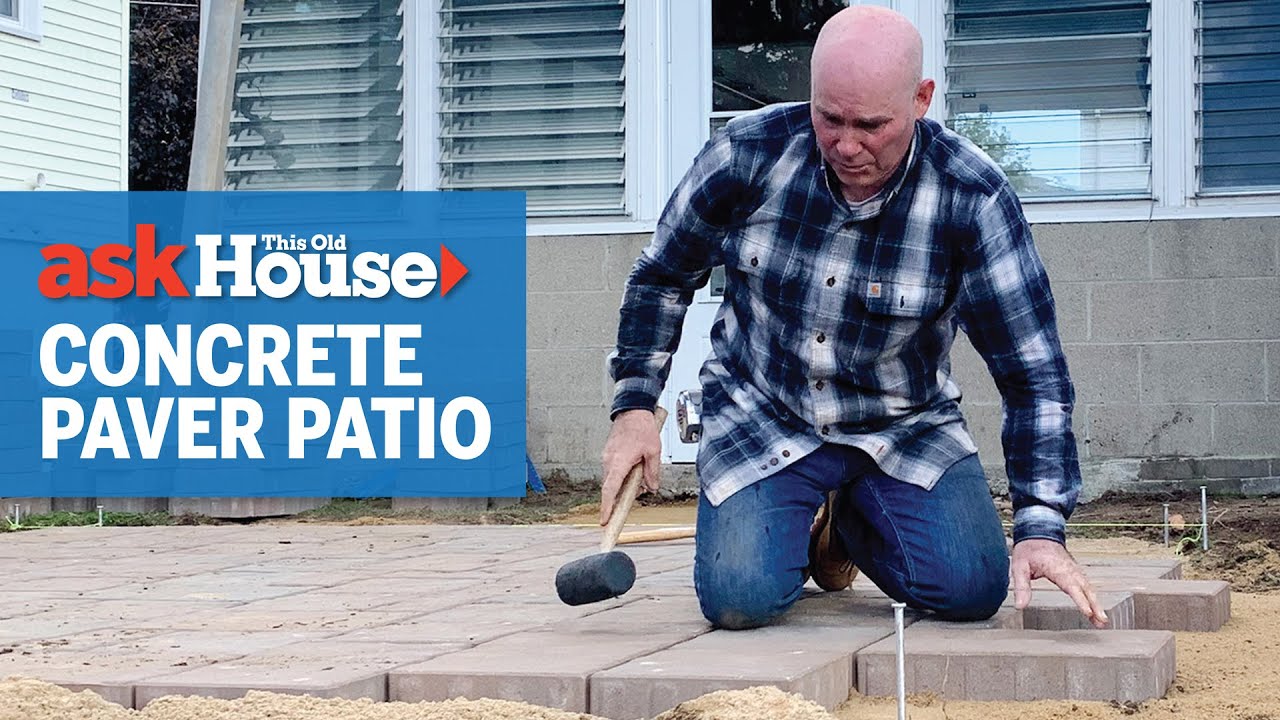
Start at one corner and lay pavers securely versus each other. Use spacers if required for uniform gaps. Cut pavers with a damp saw as needed for edges.Filling Joints with Sand
After laying all your pavers:
Sweep polymeric sand into all joints in between pavers. Compact once more using a plate compactor; this helps secure every little thing in place. Repeat sweeping till joints are full.Sealing Your Paving Surface
While securing isn't constantly essential, doing so can offer additional defense against discolorations and climate damage:
Choose an appropriate sealant based upon your paver material. Apply uniformly using a roller; prevent puddles. Allow appropriate drying time prior to utilizing the surface.Maintenance Tips for Lasting Paving
To preserve your brand-new paved surface area:
- Regularly move away debris. Rinse off spills promptly. Apply sealant every couple of years if desired.
Common Blunders During Paving Installation
Avoid these typical risks during installation:
Skipping website prep work results in irregular surfaces. Not compacting base layers adequately may result in sinking over time. Ignoring water drainage issues could create water pooling problems later on on.FAQs Concerning Paving Installation
1. The length of time does paving installation take?
The timeline differs based upon size and complexity but generally ranges from 1-- 5 days.
2. Can I install interlacing pavers myself?
While do it yourself is possible with mindful preparation, employing specialists makes sure much better results.
3. What is polymeric sand used for?
Polymeric sand fills joints between pavers and hardens when damp for raised stability.
4. Just how do I repair broken pavers?
Cracked pavers can be replaced independently without needing to remodel entire sections.
5. Is securing essential after installation?
Sealing isn't compulsory yet offers added protection against discolorations and moisture infiltration.
6. Can I install paving over existing concrete?
Yes, but make sure that existing surface areas are stable; or else, think about removal first.
Conclusion
In recap, carrying out a paving task in the Bay Location requires mindful planning and implementation-- from picking appropriate materials like interlacing pavers to working with a knowledgeable installer who understands neighborhood conditions certain to California's environment challenges-- each step plays an essential role in achieving success! With this guide available, you're fully equipped to browse with each phase with confidence while avoiding potential mistakes along the way! Pleased paving!